
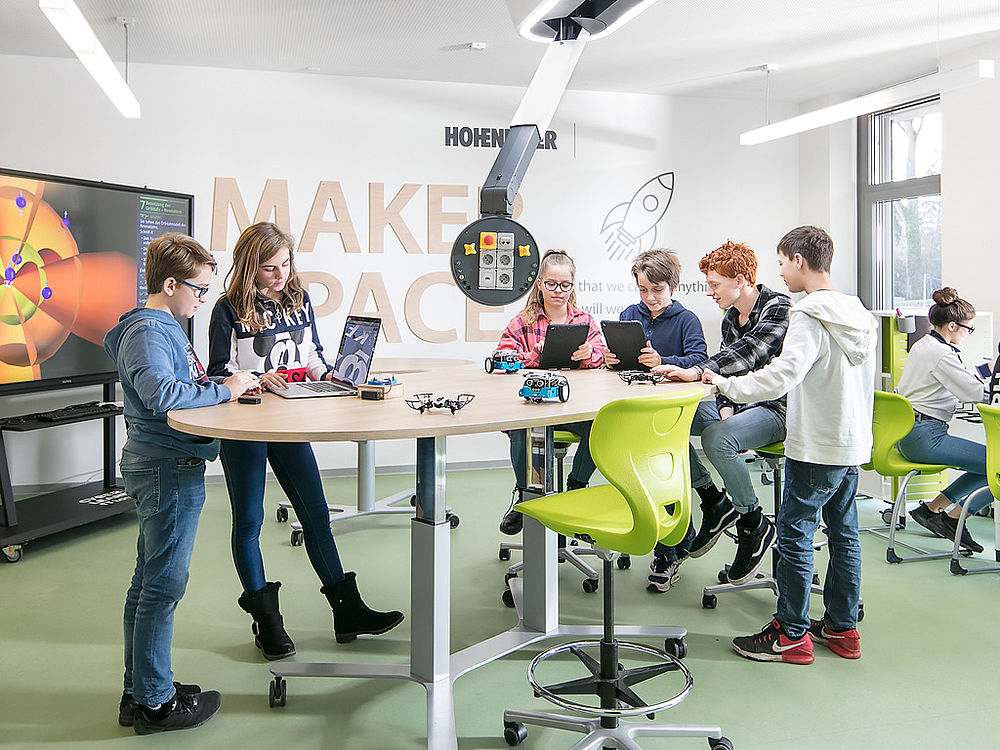
In recent years, makerspaces have emerged as transformative hubs for creativity, innovation, and hands-on learning worldwide. These collaborative environments, equipped with state-of-the-art tools and resources, have been instrumental in bridging the gap between theoretical education and practical problem-solving.
As we explore the successes and global impact of makerspaces, with a special focus on Africa, we can understand how these spaces are not just catalysts for change but vital agents in addressing local challenges and fostering community engagement.
The concept of makerspaces traces its roots to the hackerspaces and DIY (Do It Yourself) movements of the 1960s and 1970s. These early communities of enthusiasts tinkered with technology and exchanged knowledge in informal settings.
Over the years, this spirit evolved into what we now know as makerspaces. With the integration…


