
Abstract
Introduction:
The longstanding, chronic under-representation of girls/ women and non-binary youth in engineering and computing remains a global concern. Informal STEM learning contexts, such as makerspaces, have the potential and flexibility to engage all young people with STEM in creative, engaging and equitable ways. Yet to date, this potential remains largely un-realized, with many makerspaces remaining ‘chilly’, male-dominated spaces (materially, spatially, relationally and socially). This paper seeks to contribute to understanding of the challenges and possibilities for more gender equitable practice in makerspaces.
Methods:
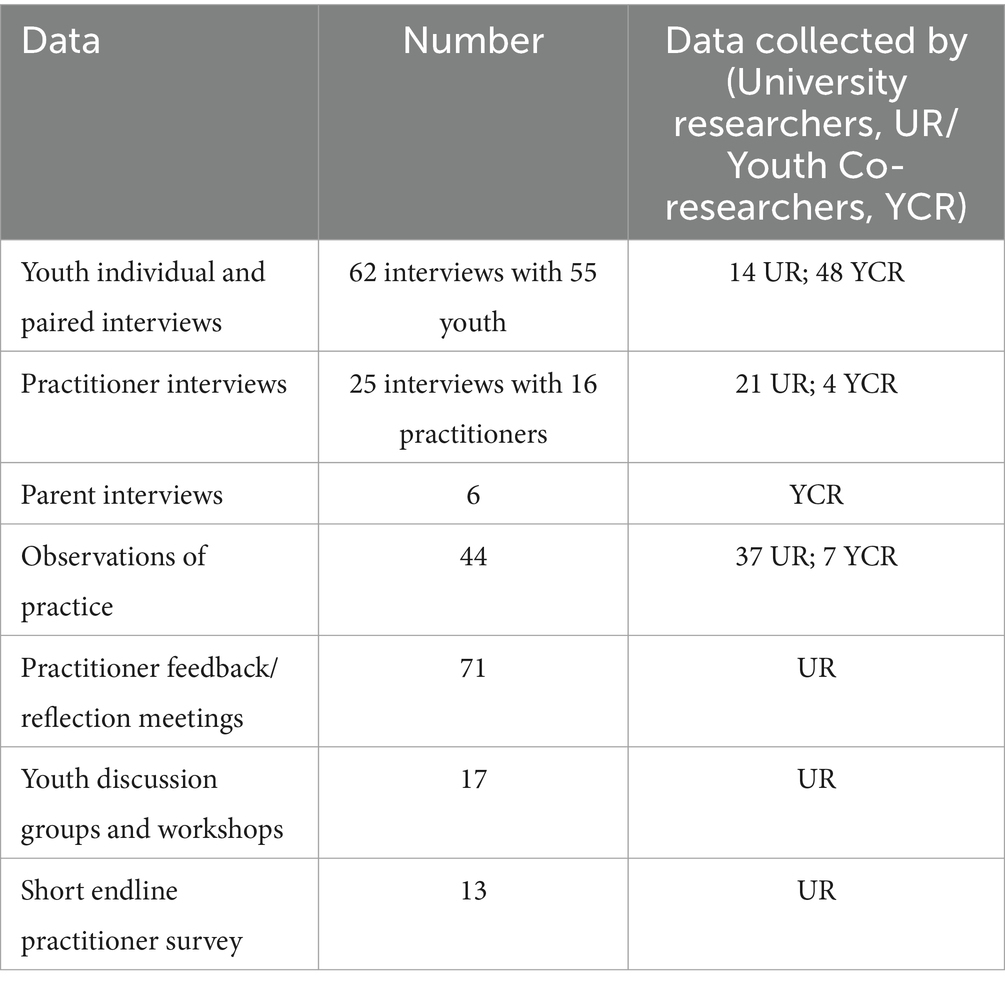
The paper analyses multimodal data collected by academic and youth co-researchers over two years from two Global North and two Global South makerspaces, as part of a…


