
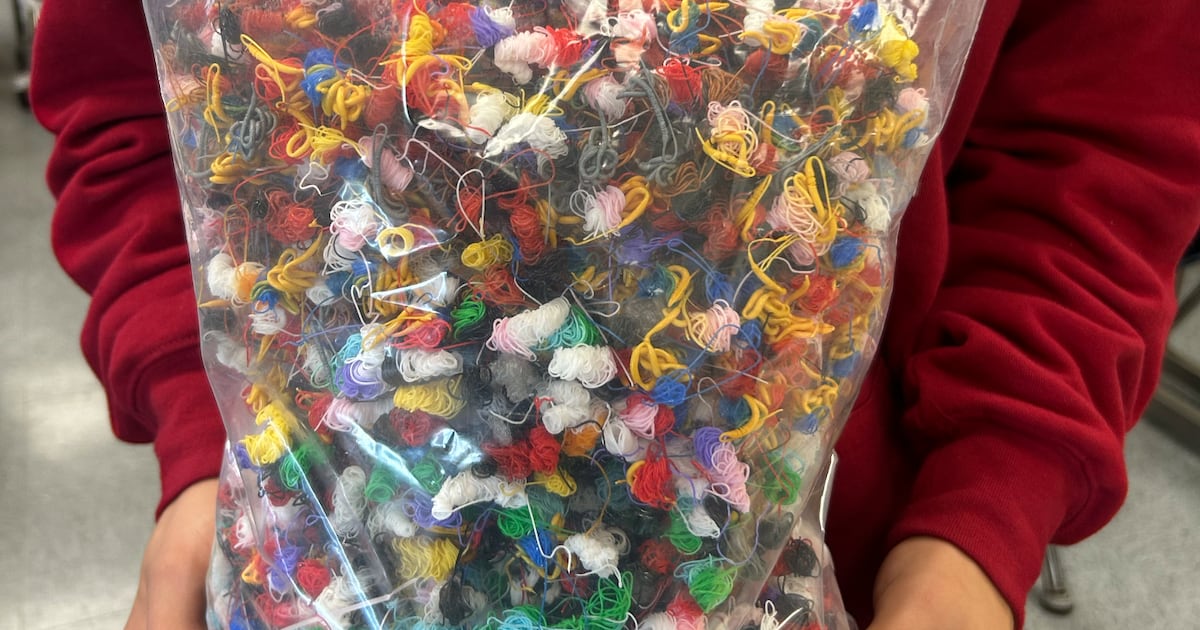
A desktop 3D printer buzzes for hours, building its creation layer by layer from melted plastic. Nearby, a growing pile of scraps collects; tangled filament and failed prints from previous runs.
In Makerspaces, these leftovers are jokingly called “printer poop,” but the nickname hides a serious and increasingly common waste stream.
Consider what 3D printing often looks like in everyday spaces.
A print may run for hours, only for the layers to misalign or detach, leaving behind a web of unusable hardened plastic. A finished object may require support structures that are snapped off and thrown away within seconds.
Though often seen as efficient, 3D printing can require multiple attempts to get a design right, generating plastic waste with each run; according to research highlighted by King’s College London, around one-third of all filament used in 3D printing becomes waste.
That…


